



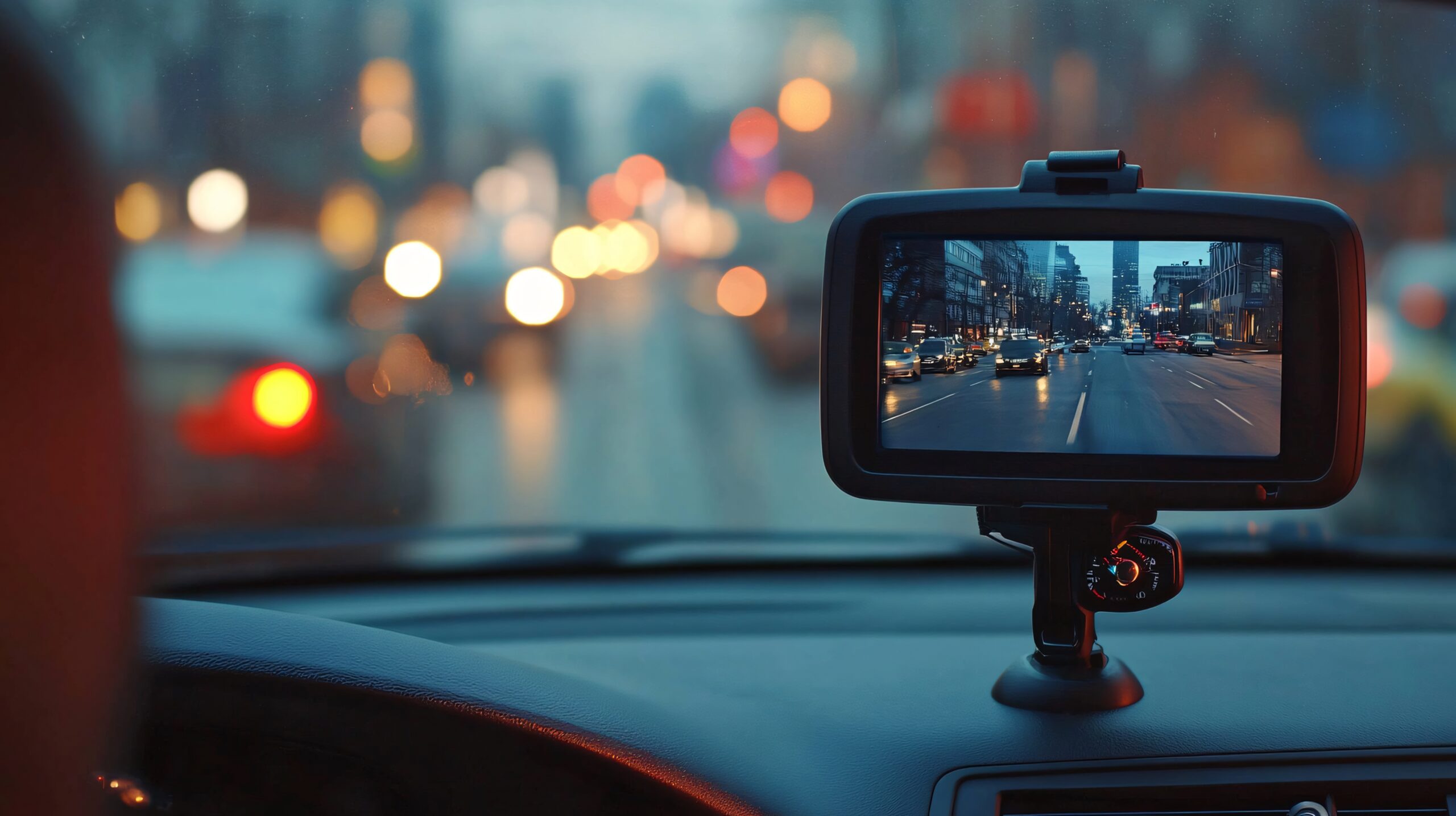
If you were involved in a Houston car accident and your dashcam captured the crash, that video may become one of the most important pieces of evidence in your case. If you can’t remember anything else, then remember this: If a photo is worth a thousand words, a video is worth the truth.
Dashcam footage can clarify fault, contradict inaccurate statements, and prevent insurance companies from shifting blame onto the injured driver. In many Texas accident claims, video evidence dramatically changes how insurers evaluate liability and what they are willing to pay.
At Diamond Injury Law, we’ve seen what a single piece of video evidence can do to a disputed claim. We’ve also seen what happens when that footage is handed over to an insurer without a strategy behind it.
Why Video Evidence Is So Powerful in Houston Car Accident Claims
Witness statements conflict. Written reports get challenged. Video is harder to argue with.
Unlike most forms of accident evidence, dashcam recordings capture what actually happened in real time. Driver behavior, traffic signal status, road conditions, and the moment of impact are all locked in before anyone has a chance to shape the narrative. Insurance companies know this, which is why adjusters tend to give significant weight to video evidence when evaluating fault and settlement value in a Texas car accident claim.
That objectivity is exactly what makes dashcam footage so valuable. It removes the he-said-she-said dynamic that insurers often exploit to reduce what they pay.
Why Fault Determination Matters So Much in Texas
Texas follows a modified comparative negligence rule under Texas Civil Practice & Remedies Code Section 33.001. Under that rule, your compensation is reduced by your percentage of fault. If you are found more than 50 percent responsible for the crash, you cannot recover anything.
Because fault directly controls settlement value, insurance adjusters are motivated to find any basis to assign blame to you. Dashcam footage takes that leverage away when the video clearly shows what happened.
How Dashcam Footage Can Strengthen a Houston Car Accident Claim
Establishing Fault Clearly
In a disputed liability case, video can show exactly what happened in real time the seconds before impact. That includes:
- A driver running a red light or blowing through a stop sign
- Sudden or unsafe lane changes
- Speeding or aggressive driving
- Failure to yield
- Distracted driving behavior
When the footage shows the other driver causing the crash, it is much harder for their insurer to argue otherwise.
Countering False Statements
In some accidents, the other driver gives a version of events that does not match what actually happened. This is more common than most people expect, particularly in high-traffic Houston areas like I-10, the 610 Loop and busy intersections where multiple witnesses see things differently. As the tentacles of the story begin to grow, so does the clarity of the overall picture. Dashcam footage puts a stop to that before it has a chance to affect your claim.
Capturing Road and Environmental Conditions
Video can document factors that affect how fault is assessed beyond just the drivers involved:
- Traffic signal timing and status
- Weather and visibility conditions
- Construction zones or road hazards
- Debris or obstructions in the roadway
In some cases, these details open the door to additional parties sharing responsibility for the crash.
Supporting the Severity of Your Injuries
Dashcam footage does not replace medical records, but it can reinforce them in ways that matter during negotiations. The video that shows the force of impact tells a story that is difficult to dismiss, specifically:
- The speed of both vehicles at the moment of collision
- Sudden deceleration on impact
- Airbag deployment
- The degree of vehicle damage
- Driver and passenger reactions immediately after the crash
These details become particularly useful when an insurance company tries to argue that the collision was minor and that the injuries claimed are inconsistent with the accident. Video showing a violent impact is a direct counter to that argument.
Common Houston Accidents Where Dashcam Footage Makes a Difference
Dashcam recordings frequently capture the type of accidents that generate the most liability disputes in Houston:
- Red-light violations at major intersections
- Unsafe lane changes on I-10, I-45 and the 610 Loop
- Rear-end collisions where the following driver disputes fault
- Distracted driving incidents where there are no other witnesses
- Aggressive driving and road rage encounters on high-speed corridors
- Multi-vehicle crashes where fault is spread across several drivers
In each of these situations, the difference between a strong claim and a disputed one often comes down to whether there is objective footage of what happened. If you drive regularly on Houston’s highways, a dashcam is one of the better investments you can make before an accident happens.
If you have dashcam footage from a Houston crash and are unsure what to do with it, the attorneys at Diamond Injury Law can review it and tell you exactly how it affects your case before you make any decisions.
When Dashcam Footage Works Against You
Dashcam footage is powerful evidence, but it is not always helpful. Dashcam footage can work both for you and against you. It can strengthen your claim with clear, objective evidence, but it can also be used by insurance companies to challenge your position.
If the video shows that you were speeding, distracted, or contributing to the collision in any way, insurance companies will use that evidence just as aggressively as they would use it against the other driver. Because Texas follows a comparative negligence system under Texas Civil Practice & Remedies Code Section 33.001, any evidence that increases your percentage of fault has a direct, proportional effect on the value of your claim.
This is exactly why footage should be reviewed carefully by an attorney before it is submitted to an insurer. Once you hand it over, the adjuster will analyze every frame looking for anything that helps their case. There is no taking it back after that.
How Insurance Companies Evaluate Dashcam Evidence
Adjusters take video seriously. It simplifies investigations and reduces disputes over liability, which is generally efficient for them. But that does not mean they will use it in your favor without a fight.
Even when footage clearly shows the other driver at fault, insurers may argue:
- The video does not capture the full sequence of events leading up to the crash
- Actions before or after the recording contributed to the collision
- The footage does not establish the severity of the injuries claimed
These are not always bad-faith arguments. They are negotiating tactics, and they work on unrepresented claimants who do not know how to push back. Knowing how to properly negotiate when there is video evidence can make all the difference in the outcome of your case.
How Attorneys Use Dashcam Evidence Strategically
Having footage is only part of the equation. How it is presented and what surrounds it determine whether it actually strengthens your claim.
An experienced Houston car accident attorney uses dashcam evidence as part of a broader evidentiary strategy:
- Reconstructing the collision timeline frame by frame
- Identifying and documenting traffic violations by the other driver
- Countering misleading arguments made by the insurer about what the video shows
- Pairing the footage with accident reconstruction analysis, medical records, and witness statements to build a complete picture
Footage presented in isolation can be taken out of context. Footage presented as part of a well-built case is much harder to dismiss. The attorneys at Diamond Injury Law know how to tell that story in a way that protects what the evidence is actually worth.
What To Do If Your Dashcam Recorded a Houston Accident
The steps you take immediately after the crash affect whether the footage remains useful:
- Preserve the Original Recording: Save the original file in its original format right away. Do not overwrite it or let the camera “loop” over it.
- Create Multiple Backups: Store copies in more than one location, such as a secure cloud service and a separate physical device, to prevent accidental loss.
- Avoid Any Alterations: Do not edit, trim or alter the footage in any way. Even minor changes can raise questions about authenticity.
- Do NOT Share Prematurely: Do not provide the footage to an insurance company or third party before speaking with an attorney. Early disclosure can affect how the evidence is interpreted and used.
Preserving the integrity of the original file protects its value as evidence. Once the footage is compromised or handed over without a strategy, the damage is hard to undo.
Talk to a Houston Car Accident Attorney About Your Dashcam Footage
If your dashcam recorded a Houston car accident, that footage could play a significant role in determining liability and the value of your claim. The attorneys at Diamond Injury Law can review the video, evaluate the evidence surrounding it, and explain clearly how it may affect your recovery. Contact our office today for a free consultation.
Frequently Asked Questions
Can dashcam footage be used in court in Texas?
Yes. Dashcam footage is generally admissible in Texas court proceedings as long as it is authentic, has not been altered and is relevant to the case. Courts typically require that the video be preserved in its original form and that its source can be verified. The same standards apply when the footage is used in settlement negotiations.
Is dashcam footage admissible in a Texas car accident claim?
Yes. Dashcam footage is generally admissible as long as the video can be authenticated and it has not been edited or altered. Insurance companies and courts both rely on video evidence to evaluate driver behavior, road conditions, and fault at the time of the crash. Keeping the original file intact is critical to preserving its admissibility.
Can dashcam footage increase my car accident settlement in Houston?
It can, if the footage clearly establishes the other driver’s fault. Video evidence reduces the insurer’s ability to dispute liability, which strengthens your negotiating position and protects the full value of your claim. How the footage is presented matters just as much as what it shows.
What if my dashcam footage shows I was partially at fault?
Under Texas Civil Practice & Remedies Code Section 33.001, your compensation is reduced by your percentage of fault. If the footage shows you were partially responsible, the insurer will use it to reduce what they pay. An attorney can review the footage in context and advise you on how it affects your case before you make any decisions.
Should I send dashcam footage directly to the insurance company?
Not before speaking with an attorney. Once you provide the footage, the insurer will analyze every frame for anything that supports their position. An experienced Houston car accident attorney can review the video first and advise on how to present it in a way that protects your claim.
Does dashcam footage help prove injuries after a crash?
Not directly, but it can support injury claims by showing the force of impact, vehicle damage, and the immediate aftermath of the crash. When an insurer argues a collision was minor and inconsistent with the injuries claimed, video showing the severity of the impact is a direct counter to that argument.
What should I do if my dashcam recorded my Houston accident?
Save the original file immediately, back it up in multiple locations, and do not alter or edit it in any way. Do not share it with the other driver’s insurance company before consulting with a Houston car accident attorney. Preserving the footage in its original form protects its value throughout the claims process.


