



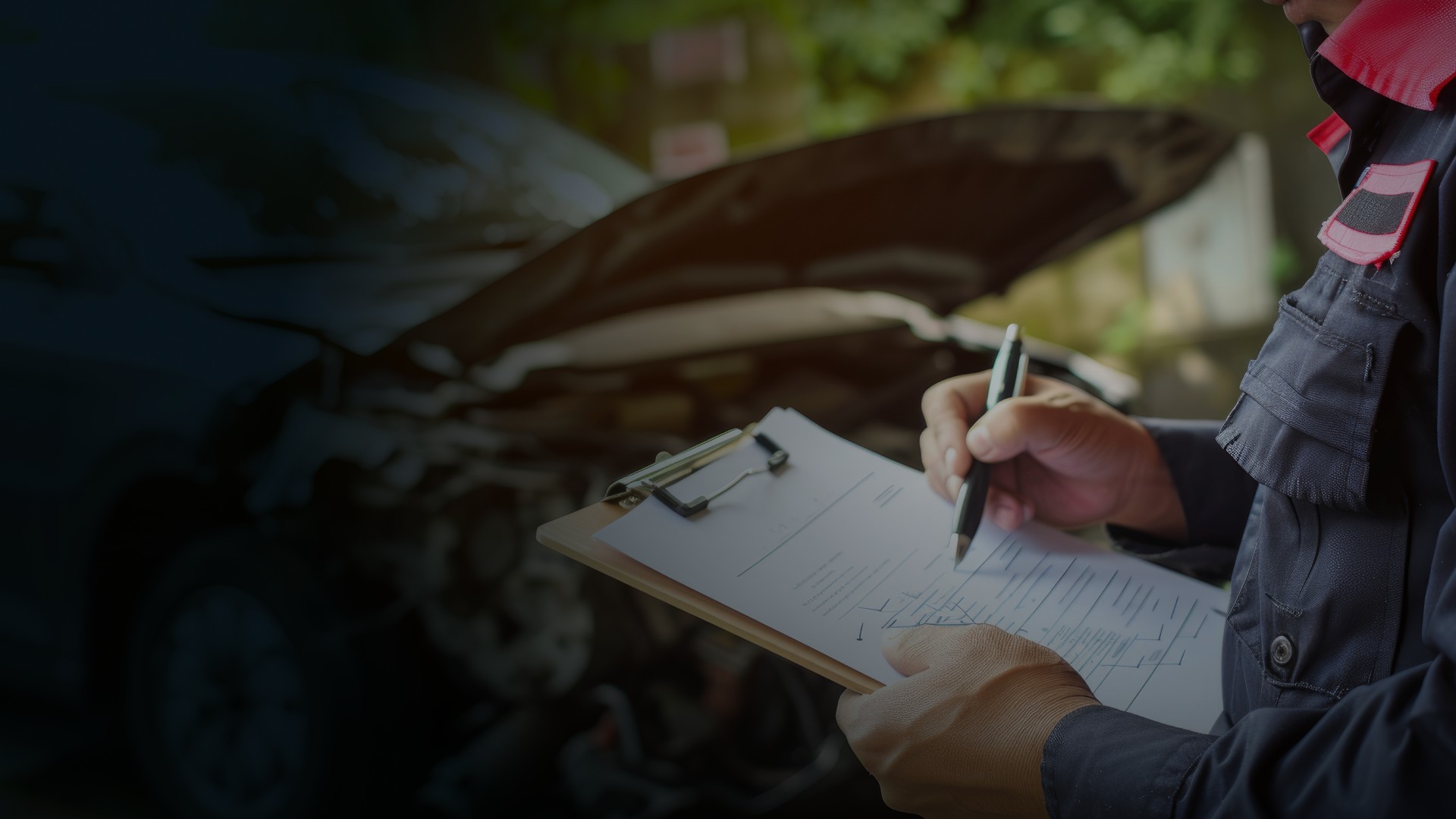
The accident was not your fault. You know it. The police report reflects it. And then you find out the driver who hit you either has no insurance or nowhere near enough of it to cover what this has actually cost you.
That moment, when the at-fault driver’s coverage fails to match the reality of your injuries, is when most Houston accident victims realize the system they assumed would protect them has a significant gap in it.
What happens next depends almost entirely on what you do in the days and weeks that follow. The path to full recovery exists, but it runs through a set of insurance claims, legal arguments, and negotiation strategies that are genuinely difficult to navigate without someone who has done it before.
At Diamond Injury Law, uninsured and underinsured motorist claims are among the most complex cases we handle for Houston accident victims. The money is available in more places than most people realize. Getting to it requires knowing exactly where to look and how to fight for it.
The Problem With Uninsured and Underinsured Drivers in Houston
Texas law requires drivers to carry a minimum of thirty thousand dollars in bodily injury liability coverage per person and sixty thousand dollars per accident. That is the floor. In a serious accident involving real injuries, hospitalization, lost income, and long-term recovery, that floor is often nowhere near sufficient.
And a significant number of Houston drivers are not even meeting it.
Texas consistently ranks among the states with the highest rates of uninsured drivers. Estimates put the number somewhere between one in six and one in five drivers on Houston roads carrying no insurance at all. Underinsured drivers, those who technically have coverage but not enough to cover a serious injury claim, represent an even larger share of the problem.
What that means practically is that being hit by an at-fault driver in Houston carries a real and common risk that the person responsible for your injuries cannot fully pay for them. That risk does not disappear because the other driver cannot cover it. It shifts, onto your own insurance, onto your own resources, and in many cases onto an attorney who knows how to find every available dollar.
What Uninsured Motorist Coverage Actually Does and What It Does Not Do Automatically
If you have uninsured motorist coverage on your own policy, and in Texas, insurers are required to offer it, though you can waive it in writing, you have a direct claim against your own insurance company when the at-fault driver has no coverage.
That sounds straightforward. It is not.
Your own insurer steps into the shoes of the at-fault driver for purposes of the claim. That means they evaluate your injuries, challenge your medical costs, dispute your lost income, and look for every reason to limit what they pay, exactly the way they would with any other claim. It makes them an insurer with a financial interest in paying as little as possible.
Uninsured motorist coverage creates a potential source of recovery. It does not guarantee that your insurer will voluntarily pay the full value of the claim. What ultimately gets paid depends on how the injuries, damages, and long-term impact are documented, presented, and negotiated.
An attorney’s role is not simply to submit the claim. It is to build the medical, financial, and evidentiary foundation that forces the insurer to properly evaluate it.
How Underinsured Motorist Claims Work and Why They Are More Complicated
Underinsured motorist coverage is triggered when the at-fault driver has insurance, but not enough of it to cover the full value of your injuries.
Here is how the math works in practice. If the at-fault driver carries thirty thousand dollars in bodily injury coverage, the Texas minimum, and your injuries are worth one hundred and fifty thousand dollars, there is a one hundred and twenty thousand dollar gap. If you have underinsured motorist coverage on your own policy, that coverage is designed to bridge at least part of that gap.
But the mechanics of how that claim gets paid create complications that most people are not prepared for.
First, you generally have to exhaust the at-fault driver’s policy before your underinsured motorist coverage kicks in. That means settling with the at-fault driver’s insurer first, which requires getting the right number out of that settlement, because accepting too little from the at-fault driver affects the baseline from which the underinsured claim is calculated.
Second, your own insurer has the right to be notified before you settle with the at-fault driver. Failing to give that notice can compromise your underinsured motorist claim entirely. It is a procedural requirement that has cost Houston accident victims their recovery because nobody told them it existed.
Third, your own insurer will independently evaluate and challenge the underinsured motorist claim, including disputes over medical necessity, causation, and future damages.
An attorney manages all of it. The sequencing, the notices, the valuations, the negotiations, each step handled correctly protects the one that follows.
A common example looks like this: a Houston driver suffers a serious neck and back injury requiring injections, missed work, and months of treatment after being rear-ended on I-45. The at-fault driver carries only the Texas minimum policy limits of $30,000, but the claim value is substantially higher. Without underinsured motorist coverage and a properly structured claim, the injured driver may never recover the full value of the damages.
When the At-Fault Driver Has No Insurance and No Assets
Sometimes the at-fault driver has nothing, no insurance, no assets, no realistic path to a judgment that produces any actual money. That situation feels like a dead end. In most cases it is not, but finding the available recovery requires looking beyond the obvious.
- Your own uninsured motorist coverage is the first place to look, and often the most significant source of recovery available.
- Medical payments coverage, sometimes called MedPay, is a separate coverage that pays medical expenses regardless of fault. It does not require proving liability and pays quickly. If you have it, it should be activated immediately.
- Your health insurance covers treatment costs and can be essential in keeping medical bills from going into collections while the claim is being resolved. Managing the interplay between health insurance and the eventual settlement, including what the health insurer may be entitled to recover from your settlement, is something an attorney handles as a standard part of the claim.
- Third-party liability does not always end with the driver. If the at-fault driver was working at the time of the accident, their employer may share liability. If alcohol was involved and they were served at a commercial establishment, Texas dram shop laws may create a claim against that establishment. If a vehicle defect contributed to the accident, a product liability claim may exist.
The uninsured driver with no money is often not the end of the liability analysis. It is the beginning of a broader one.
In some situations, additional uninsured or underinsured coverage may exist through another household vehicle policy, umbrella coverage, or layered commercial policies. Identifying every available source of insurance is part of a thorough claim investigation and can significantly affect the total recovery available.
The Mistakes That Quietly Kill Uninsured and Underinsured Claims
These are the errors that cost Houston accident victims their recovery, not dramatic mistakes, but quiet procedural ones that happen because nobody explained the rules.
- Settling with the at-fault driver’s insurer without notifying your own. Texas law and most policy language require you to notify your underinsured motorist carrier before settling with the at-fault driver. Skipping that step can void the underinsured claim.
- Accepting a quick settlement before the full extent of injuries is known. Serious injuries often take weeks or months to fully manifest. Settling before that picture is clear means settling for less than the claim is actually worth, with no ability to go back once the release is signed.
- Giving a recorded statement to your own insurer without representation. A recorded statement is not a casual administrative conversation. It is a documented evidentiary interview used to evaluate liability, causation, injuries, and overall claim value. What you say, and how you say it, can directly affect how the insurer evaluates and defends the claim.
- Missing deadlines. Uninsured and underinsured motorist claims have specific notice requirements and deadlines that vary by policy. Texas has a two-year statute of limitations on personal injury claims, but policy-level deadlines can be shorter. Missing them can eliminate coverage that would otherwise exist.
An attorney does not just handle the negotiation. They manage the process in a way that keeps every available option open.
What Full Recovery Actually Looks Like
In an uninsured or underinsured motorist claim, full recovery means every category of damages that the law allows, not just the medical bills that have already arrived.
That includes past and future medical expenses. Lost income already suffered and future earning capacity affected by the injury. Pain and suffering. Emotional distress. Loss of enjoyment of life. In cases involving significant long-term injury, those numbers add up in ways that the initial insurance offers rarely reflect.
Building a claim to its full value requires medical documentation, expert input on future care needs, economic analysis of lost earning capacity, and a complete picture of how the injury has affected every dimension of the victim’s life. That is not something an insurer volunteers. It is something an attorney builds.
The gap between what an unrepresented claimant recovers and what a fully documented, attorney-managed claim produces is real, consistent, and significant. In uninsured and underinsured motorist cases, where the money is already limited by the at-fault driver’s coverage failure, closing that gap is not optional. It is the entire point.
If you were injured by an uninsured or underinsured driver in Houston, Diamond Injury Law can review every available source of recovery and make sure your claim is built to its full value.
Contact us today before any settlements are signed or statements are given.
Frequently Asked Questions About Uninsured and Underinsured Motorist Claims in Texas
What happens if the driver who hit me in Houston has no insurance? You have several potential sources of recovery. Your own uninsured motorist coverage is typically the primary one, but MedPay, health insurance, and third-party liability, including employer liability or dram shop claims depending on the circumstances, may also apply. An attorney can identify every available source and build the claim correctly against each one.
Does my own insurance company have to pay fairly on an uninsured motorist claim? Your insurer is obligated to evaluate the claim in good faith, but that does not mean their first offer reflects the full value of your injuries. They have a financial interest in limiting what they pay, and they apply the same evaluation tactics they would to any other claim. Having an attorney manage the claim changes the dynamic significantly.
Can I still recover damages if the at-fault driver has some insurance but not enough? Yes. Underinsured motorist coverage on your own policy is designed for exactly that situation. The claim requires specific procedural steps, including notifying your own insurer before settling with the at-fault driver, that an attorney manages to make sure the coverage is preserved and maximized.
What is the deadline for filing an uninsured motorist claim in Texas? Texas has a two-year statute of limitations on personal injury claims, but your insurance policy may have shorter notice requirements for uninsured and underinsured motorist claims. Missing a policy-level deadline can void coverage that would otherwise exist. Contact an attorney as early as possible after the accident.
What if I waived uninsured motorist coverage when I bought my policy? If you waived it in writing, that coverage is not available through your own policy. However, other sources of recovery may still exist, MedPay, health insurance, third-party liability claims, and an attorney can identify what is available given your specific policy and the circumstances of the accident.
Does Diamond Injury Law handle uninsured and underinsured motorist claims in Houston? Yes. These are among the most complex claims we handle, and the stakes are high precisely because the at-fault driver’s coverage has already failed. Contact us before signing anything or giving any statements, the decisions made early in these claims determine how much of the available recovery you actually see.

